
My Founder Journey
• public
Table of contents
In 2017, Gustav and I founded Pixly after recognizing a major inefficiency in digital marketing. Advertisers were competing for the same users, driving up costs and making customer acquisition increasingly expensive. We believed influencer marketing could be the solution. Our first big test came with a campaign for PONOS’s The Battle Cats.
To execute this, we built a database of influencers and secured a deal with Reaction Time, one of the first creators we partnered with. That campaign proved our theory: we created a reliable funnel from viewers to clicks to conversions, driving repeat business. It was clear we had a working model, and from there, we started Pixly.
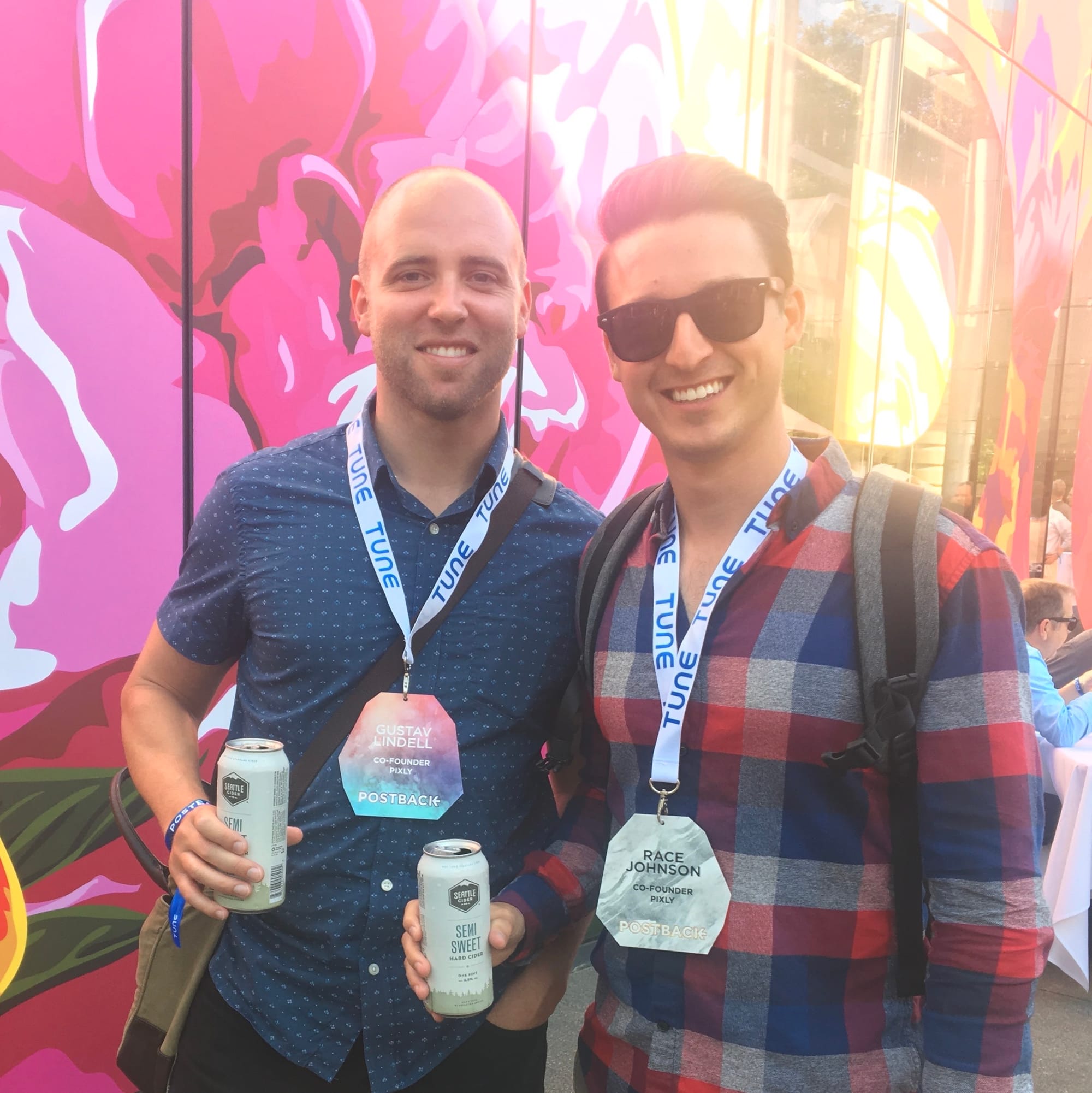

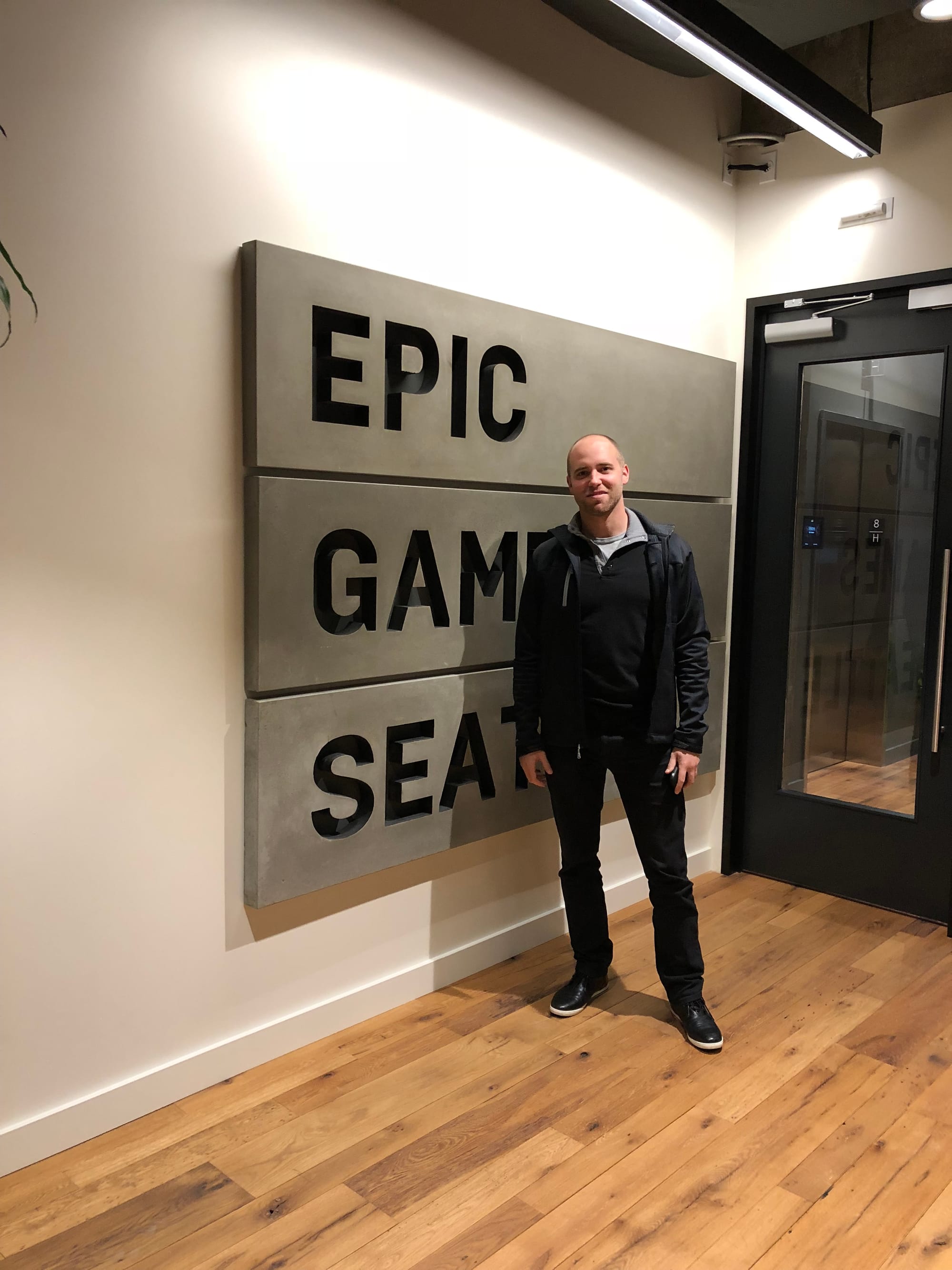
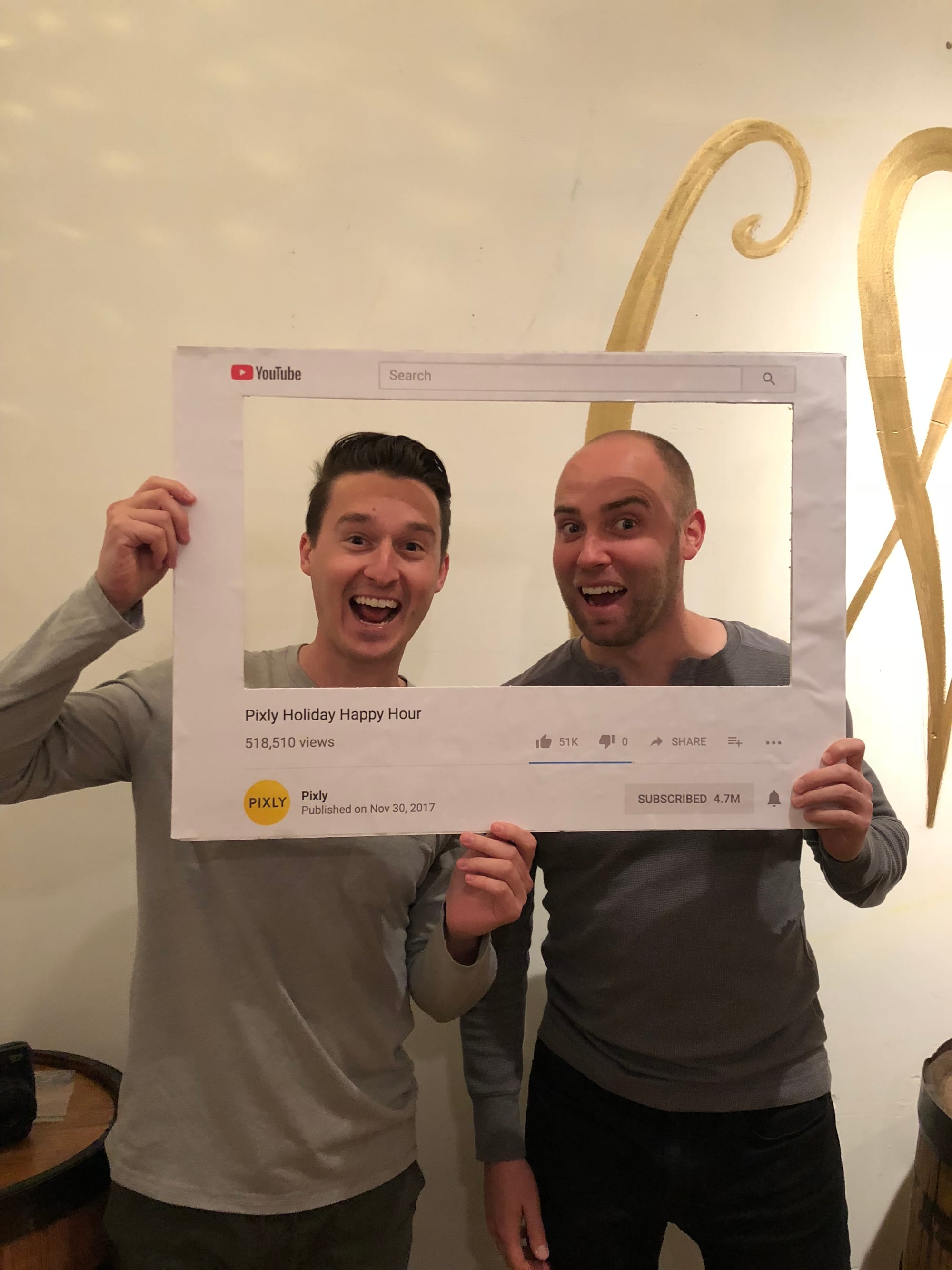
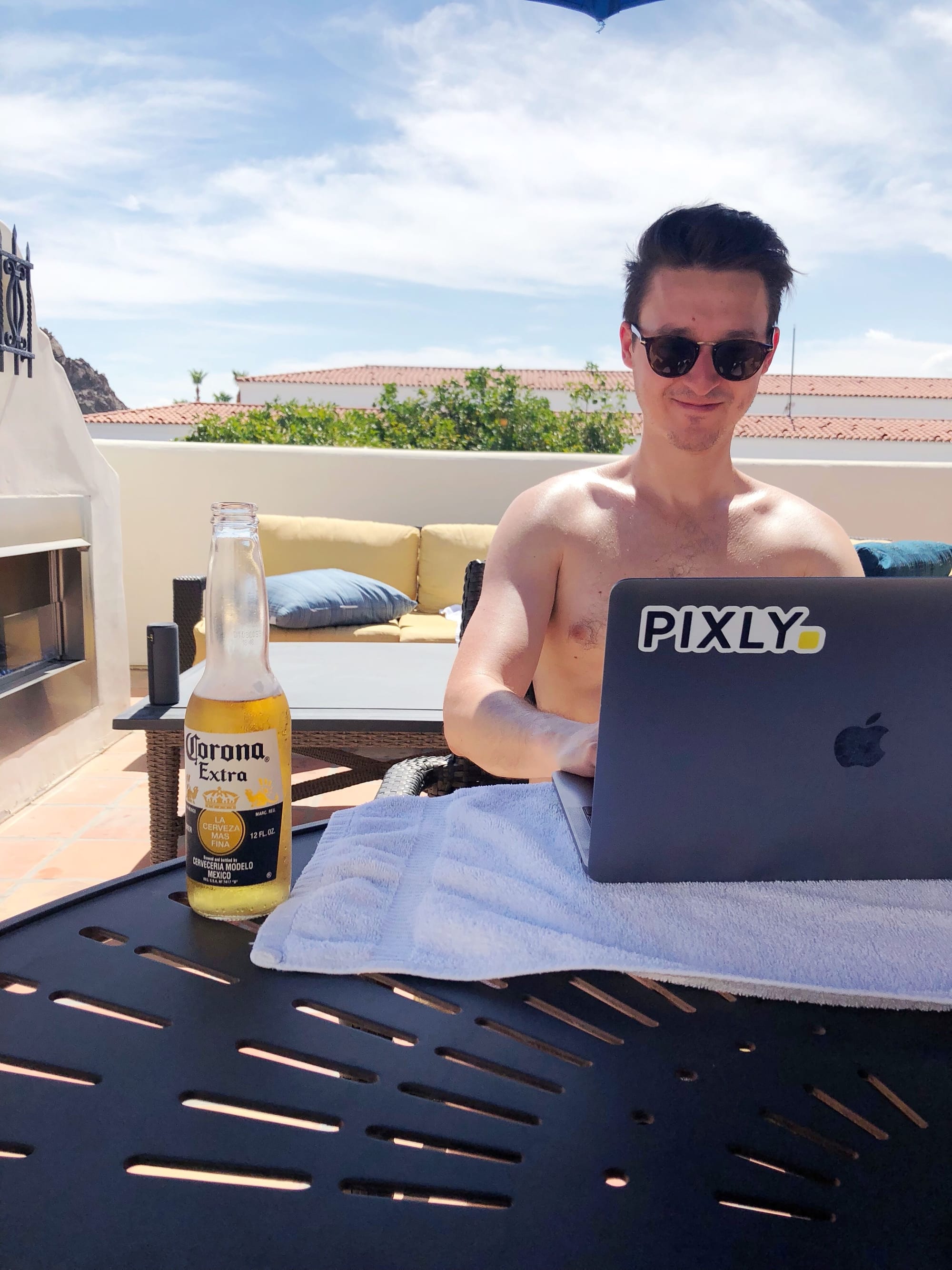
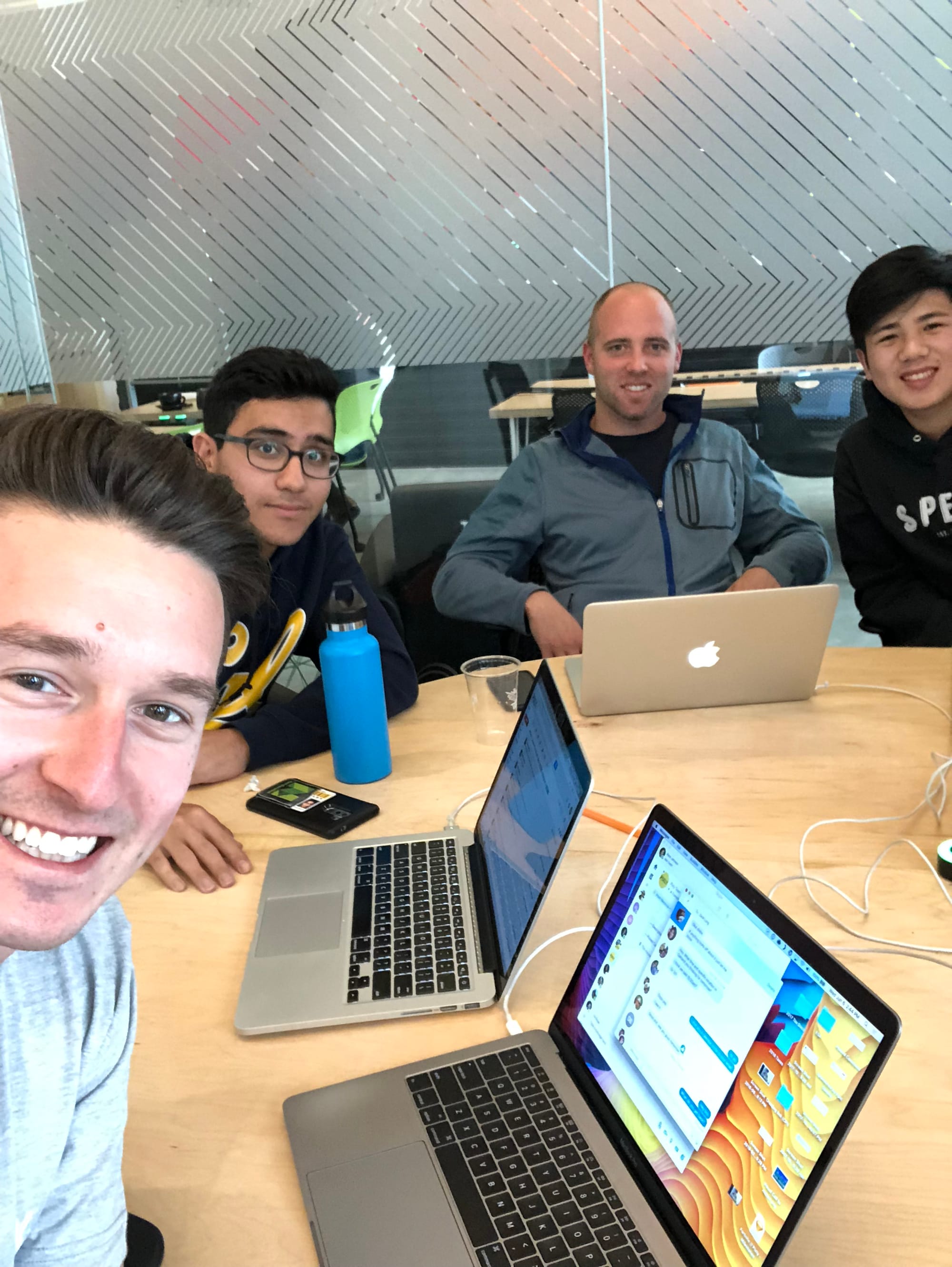
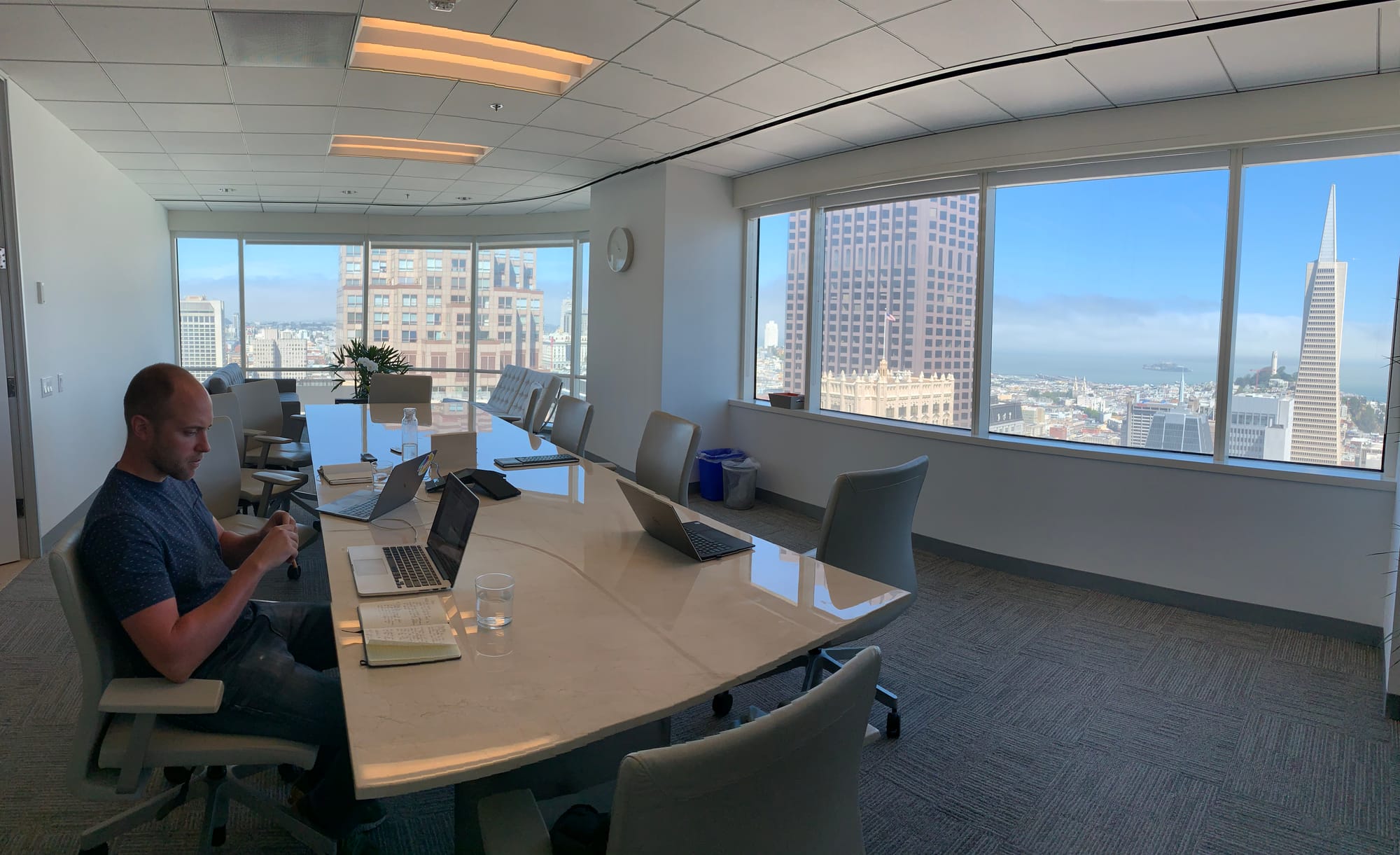
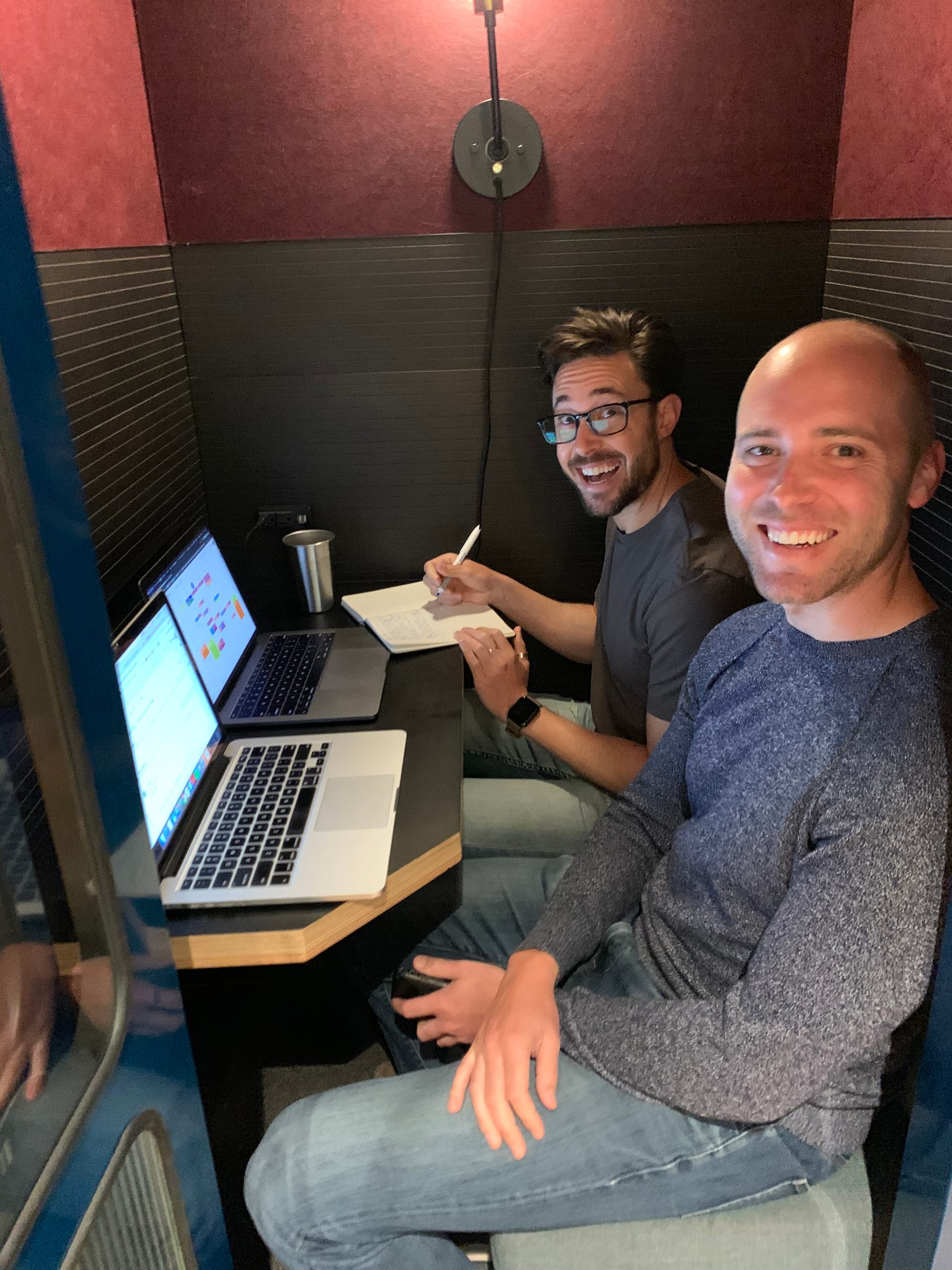
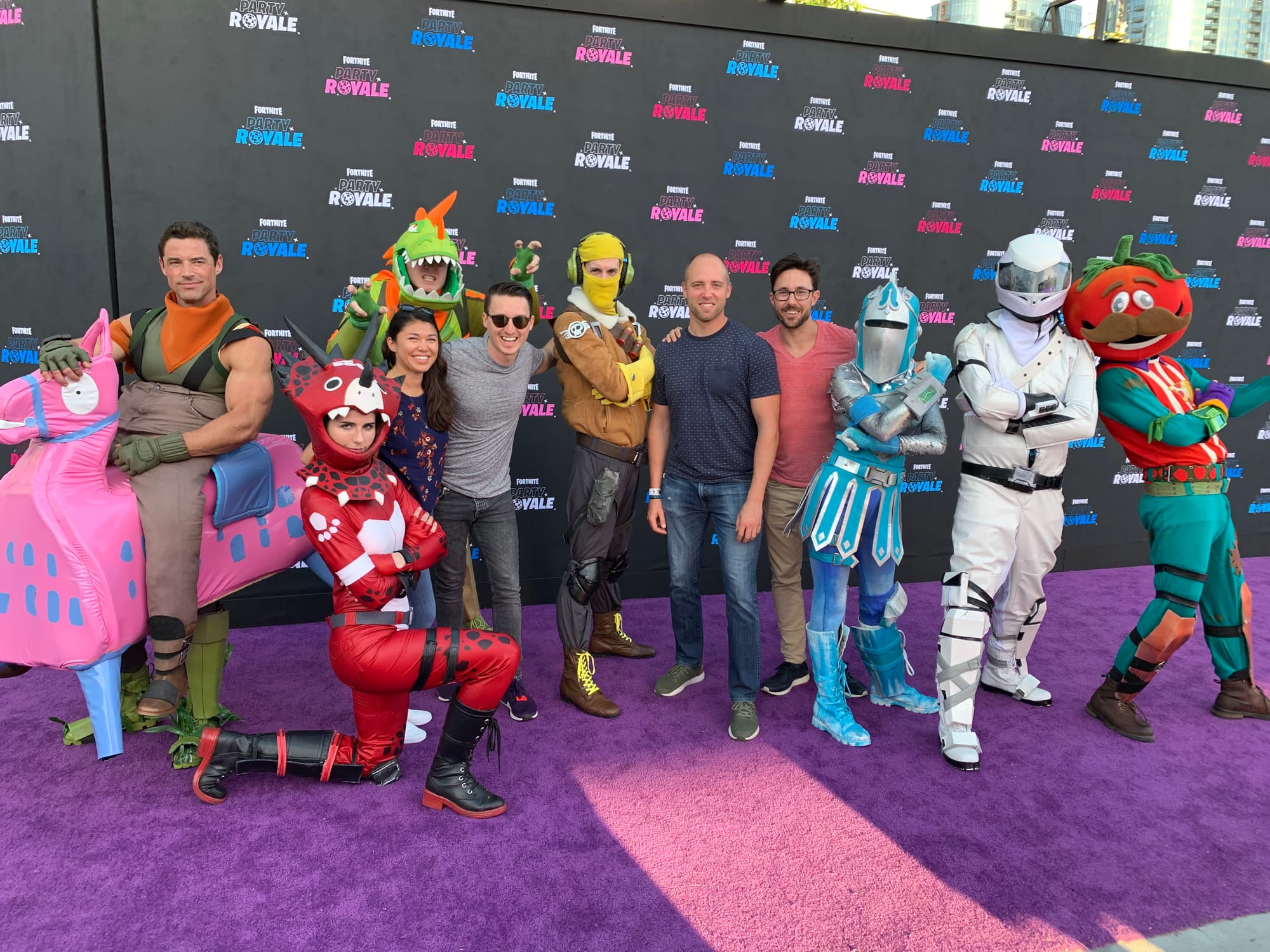
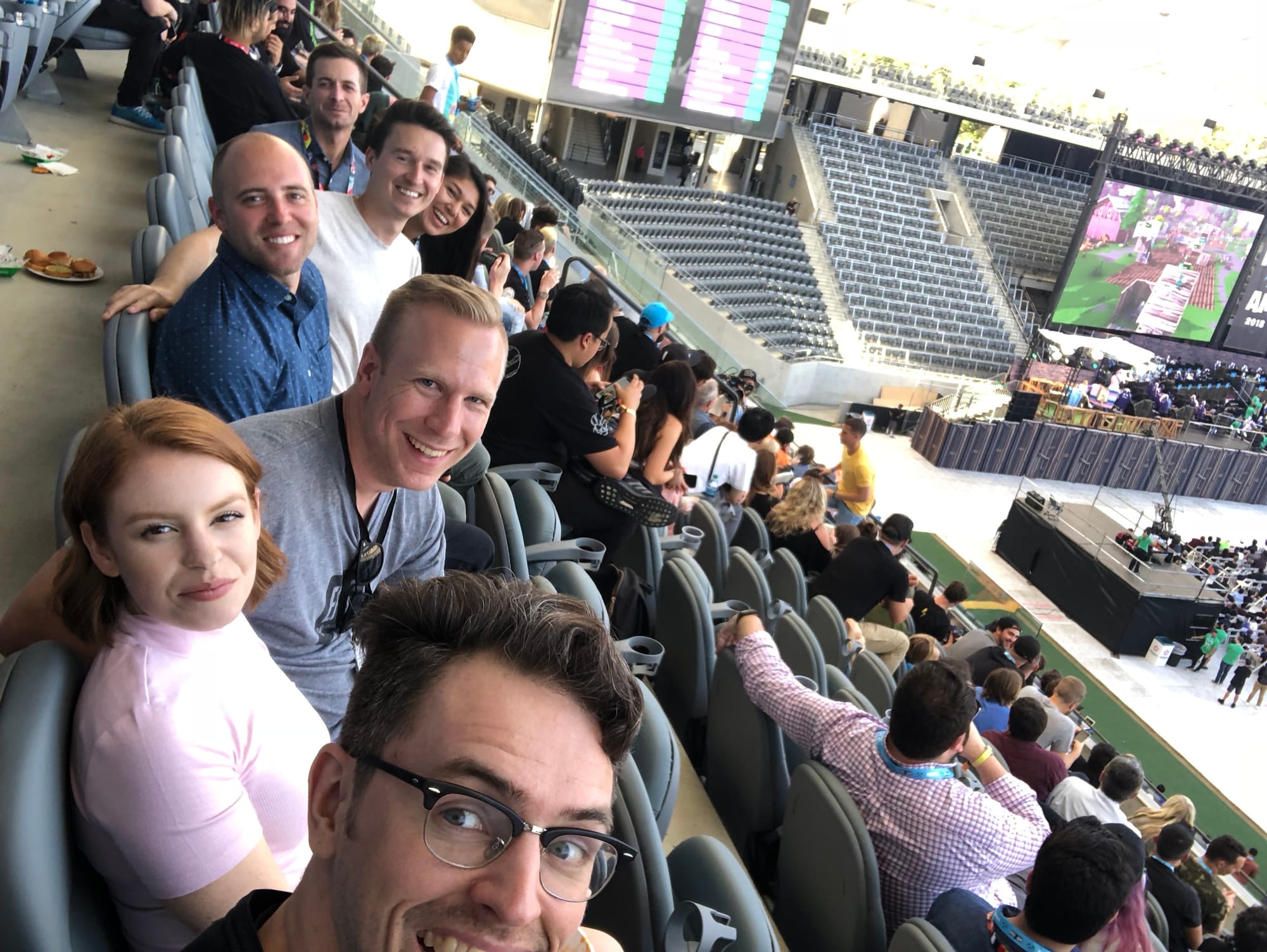
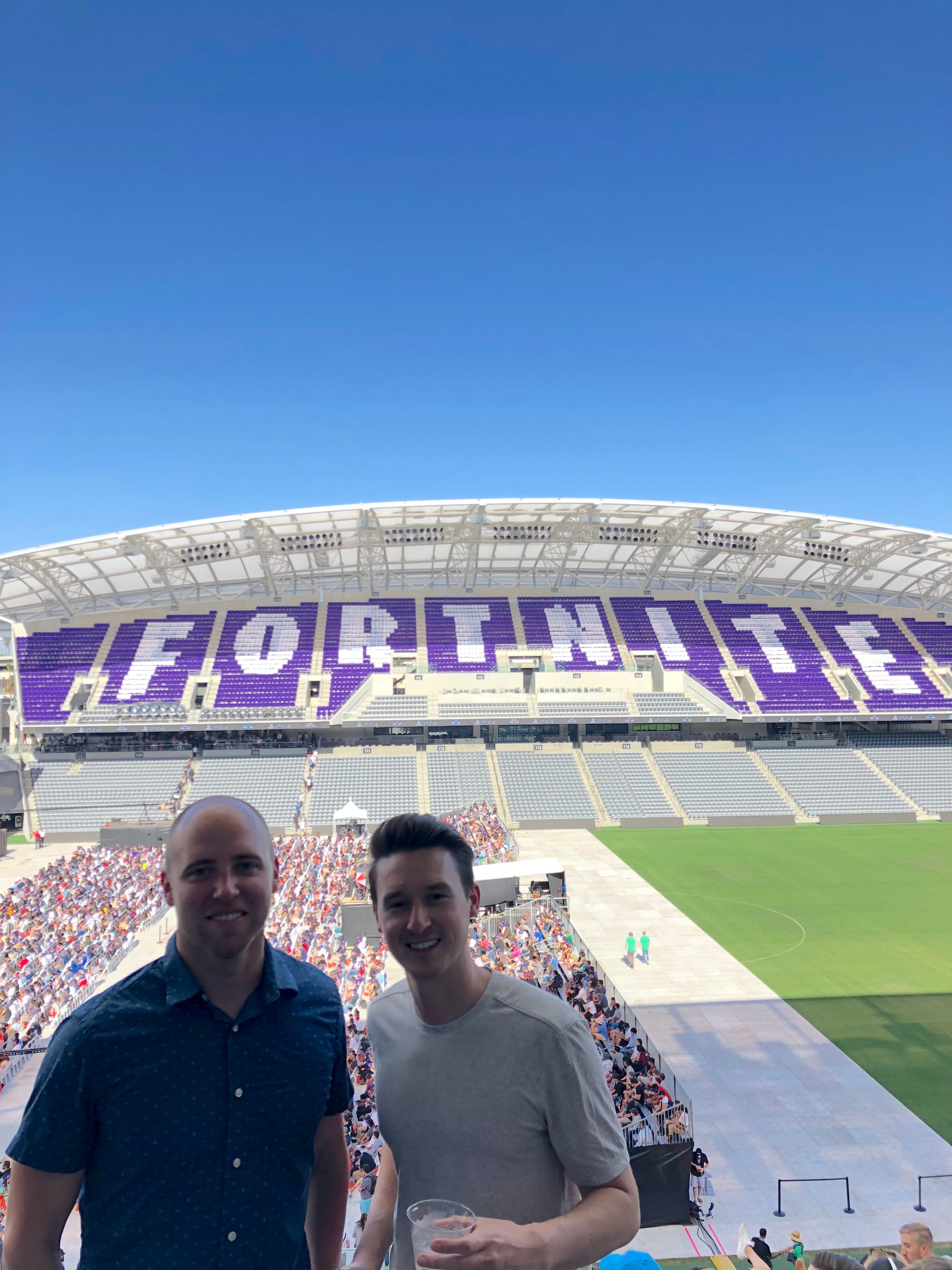
As demand grew, we faced the challenge of scaling our business. We needed more clients, which meant getting out there, attending conferences, and forming strong relationships. One of the pivotal moments for us was securing a deal with Epic Games to promote Fortnite. Initially, we worked on Save the World, but when Fortnite Battle Royale launched as a free-to-play game, it changed everything.
At first, it was tough convincing influencers to promote the game due to its cartoony art style. But after our initial campaign delivered results, it snowballed. Soon, we were activating hundreds of influencers per month. This period marked a massive expansion, pushing us beyond gaming and into global markets.
We won new clients like Opera Browser, CASETiFY, MANSCAPED, and Warby Parker.
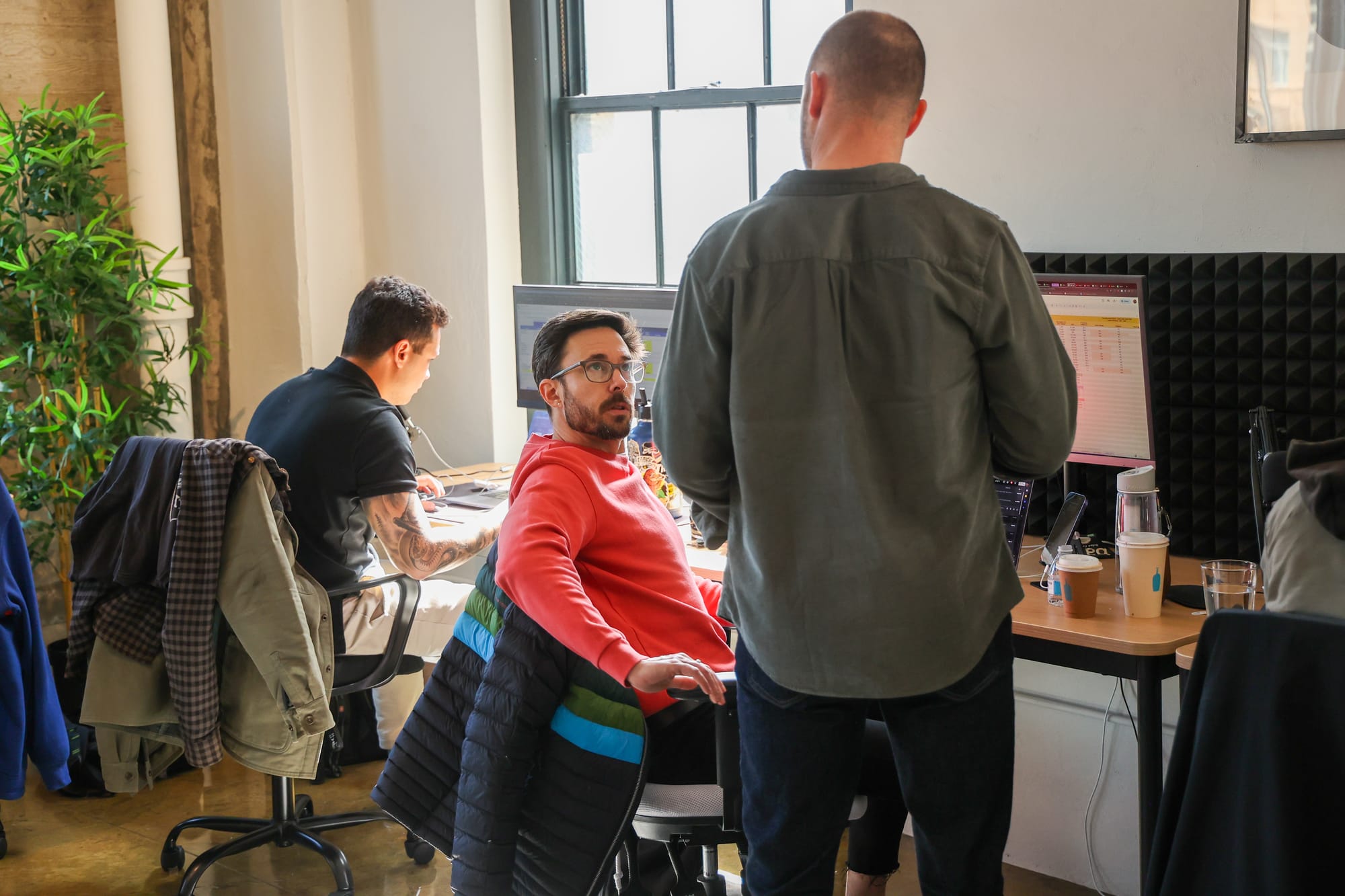
With this rapid growth, hiring became critical. We brought on interns, a CTO, and eventually key leadership roles, including a VP of Partnerships and Campaign Management leads. The team was growing fast, and the business was evolving.
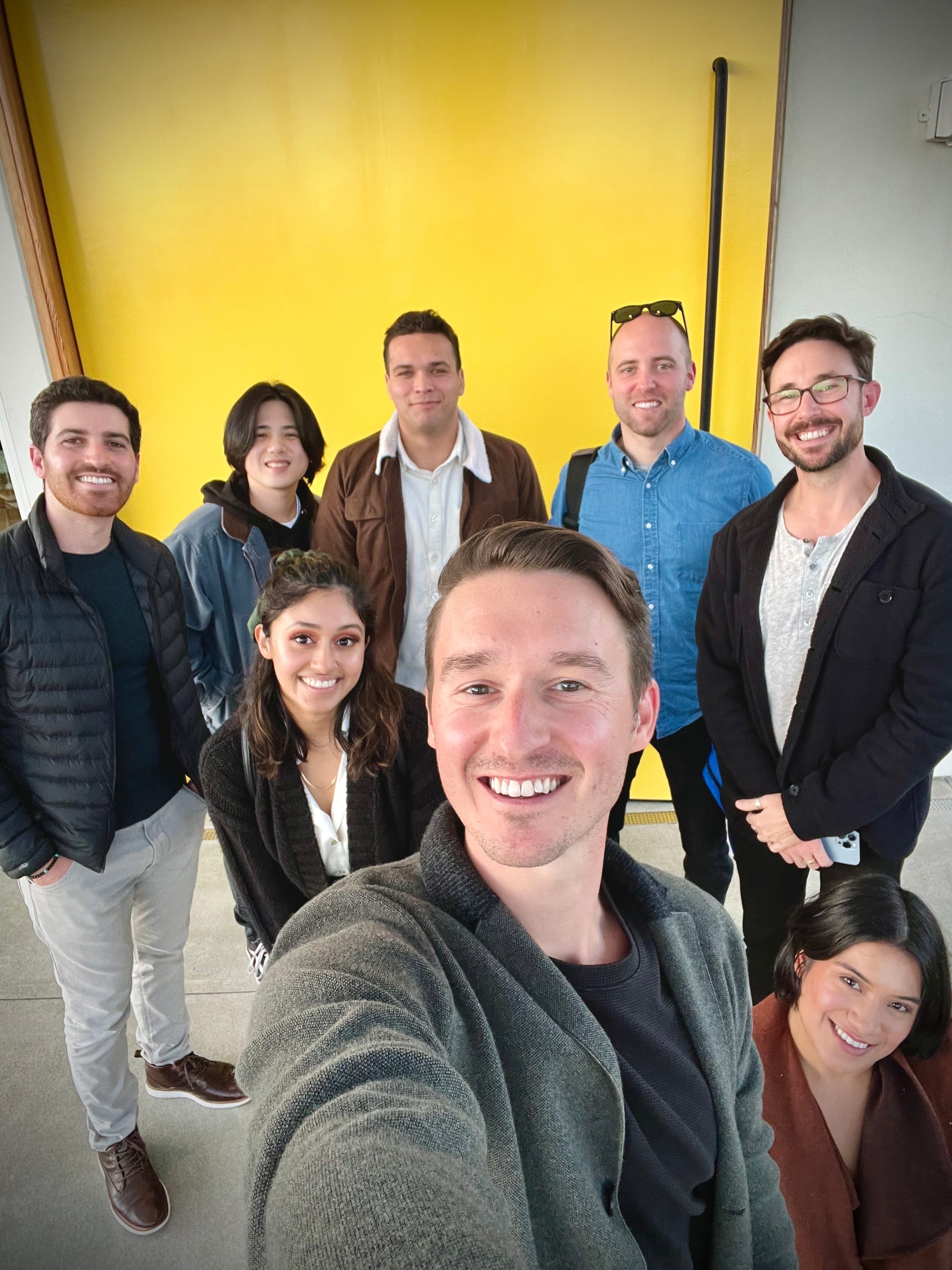
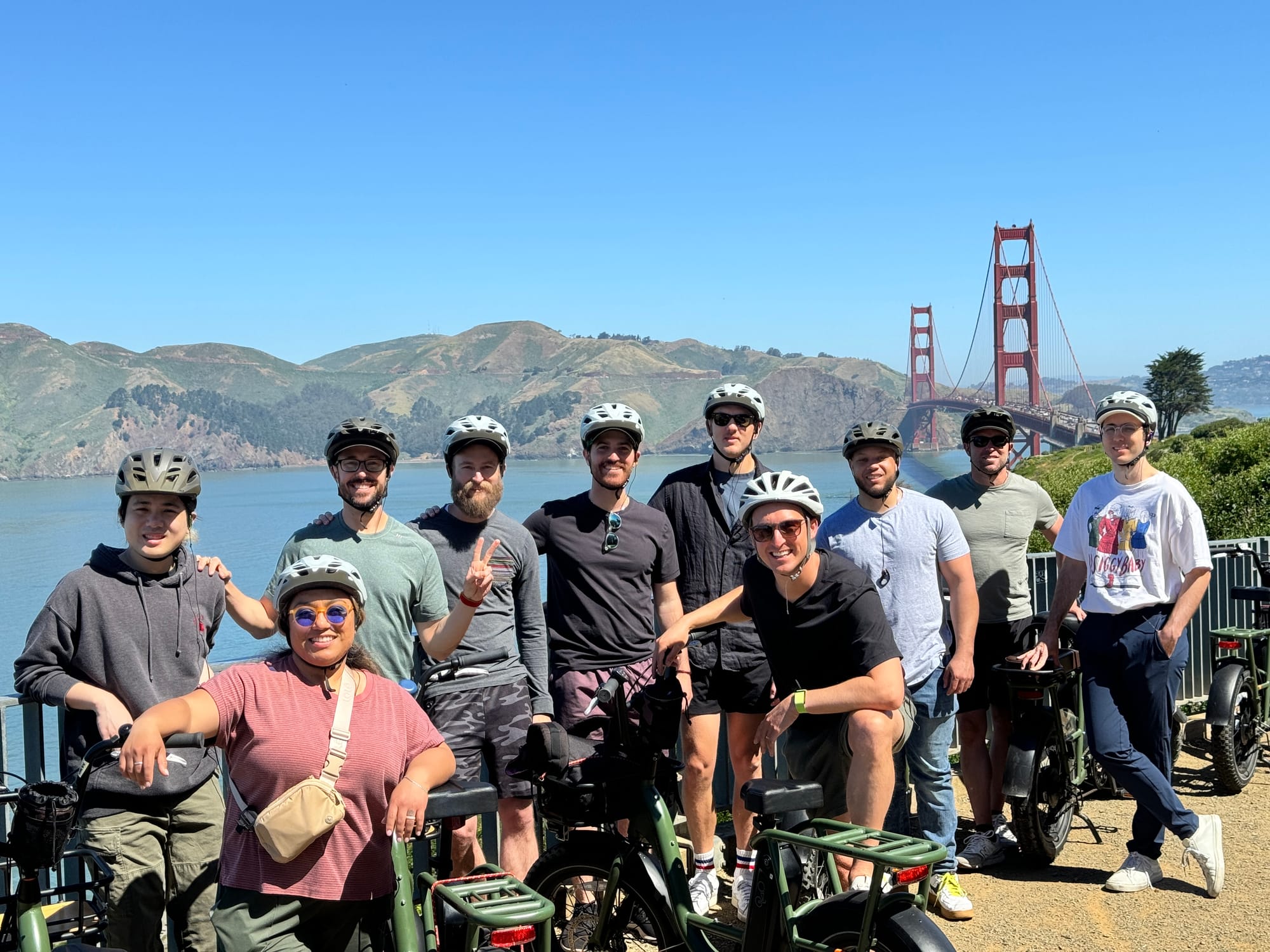
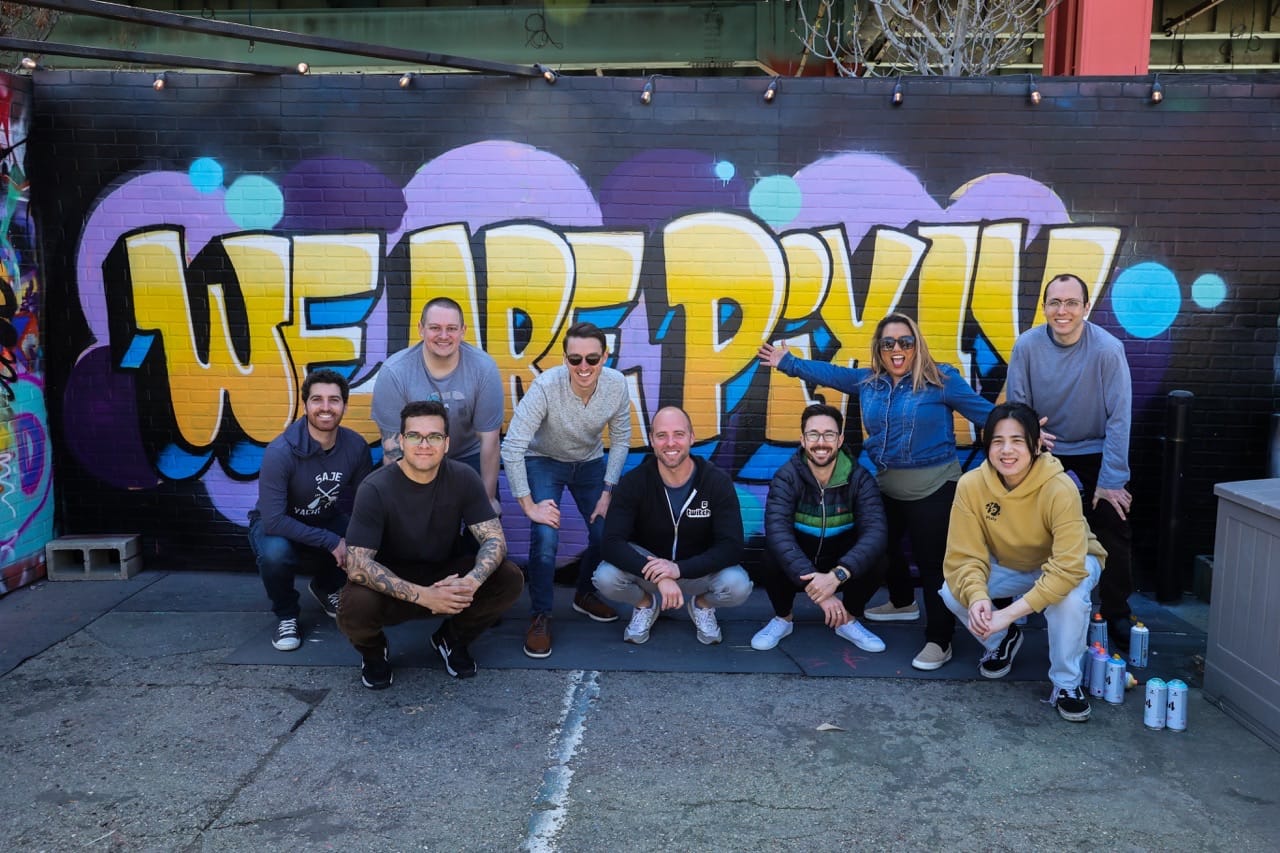
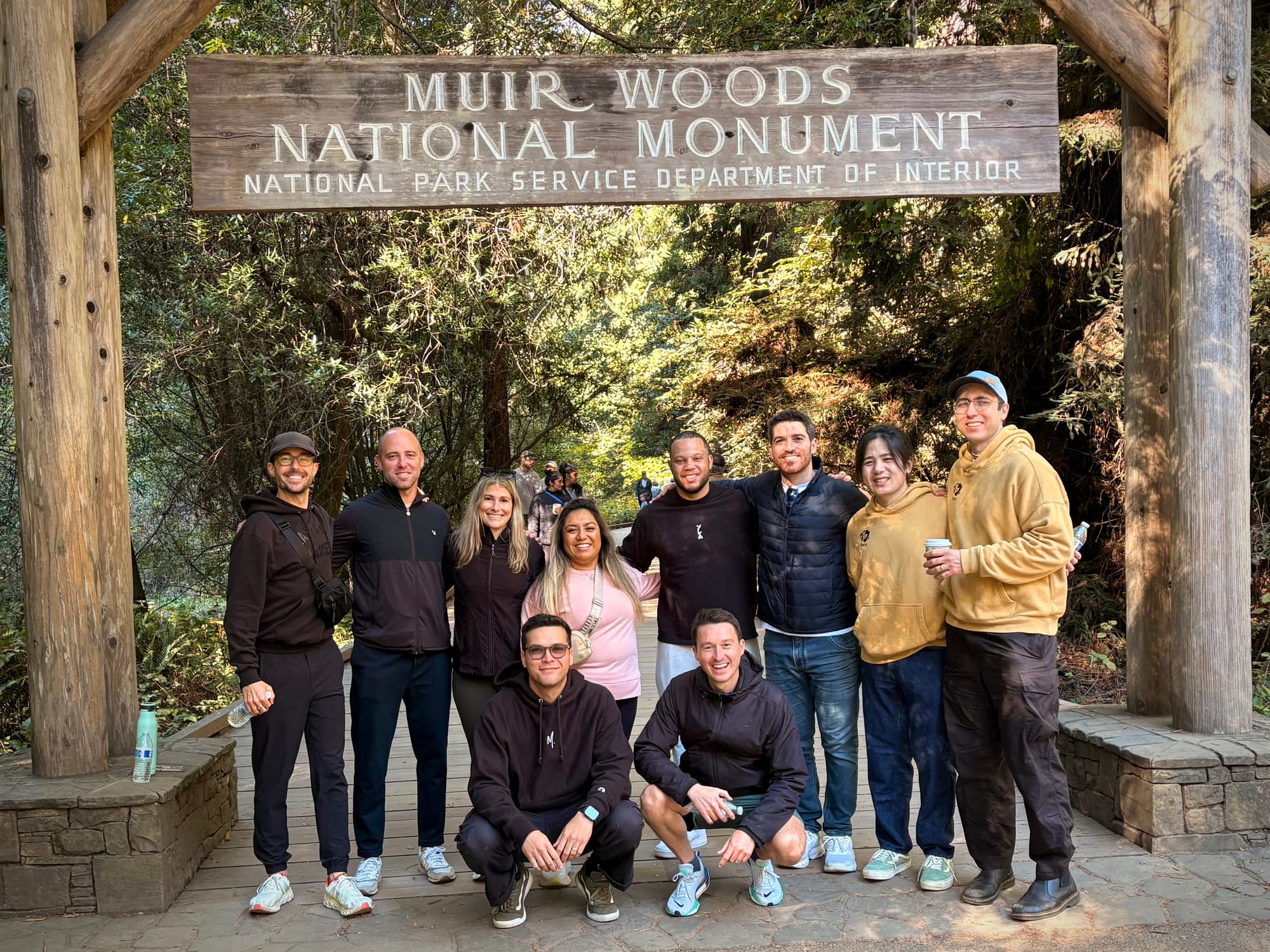
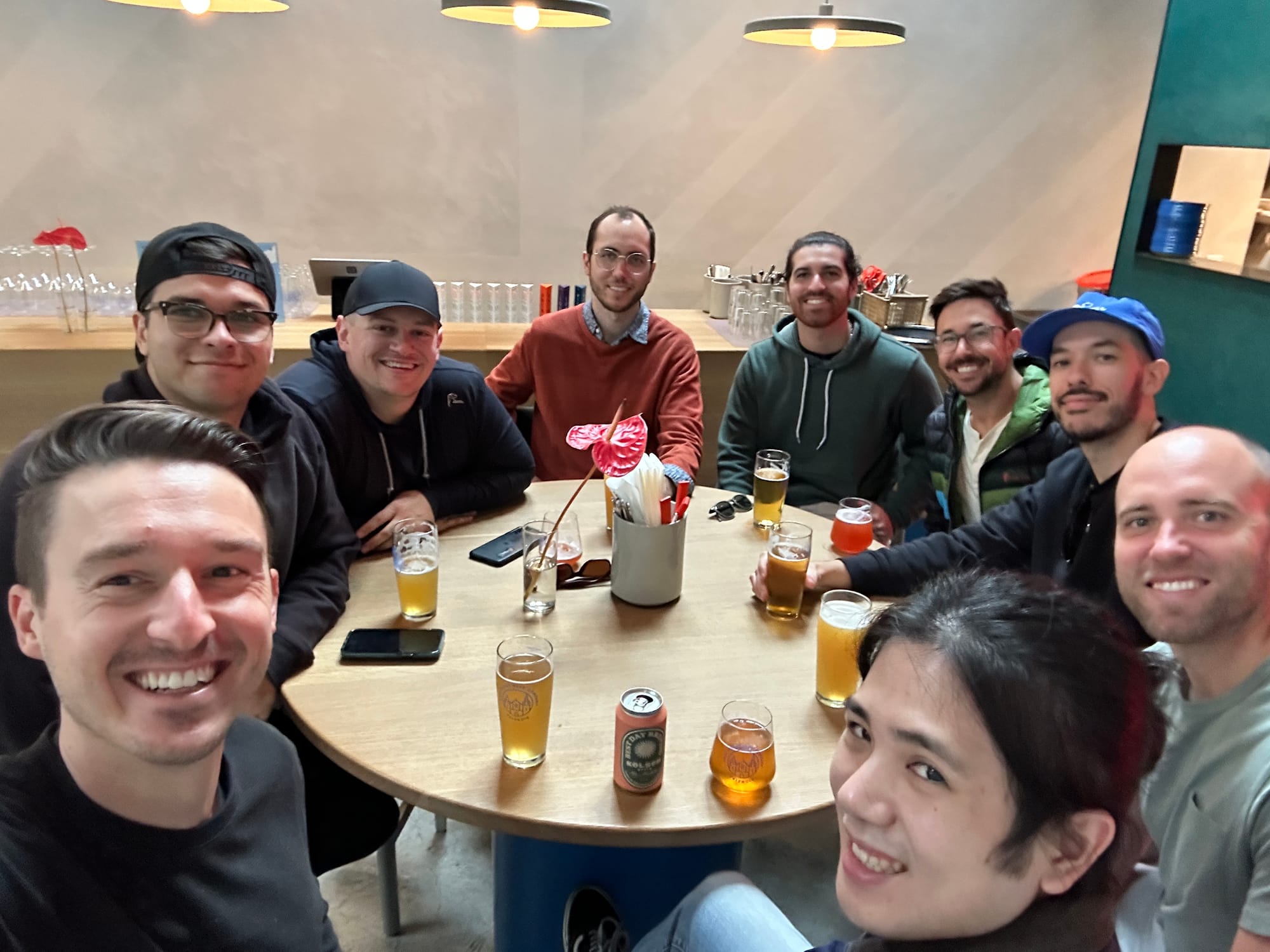
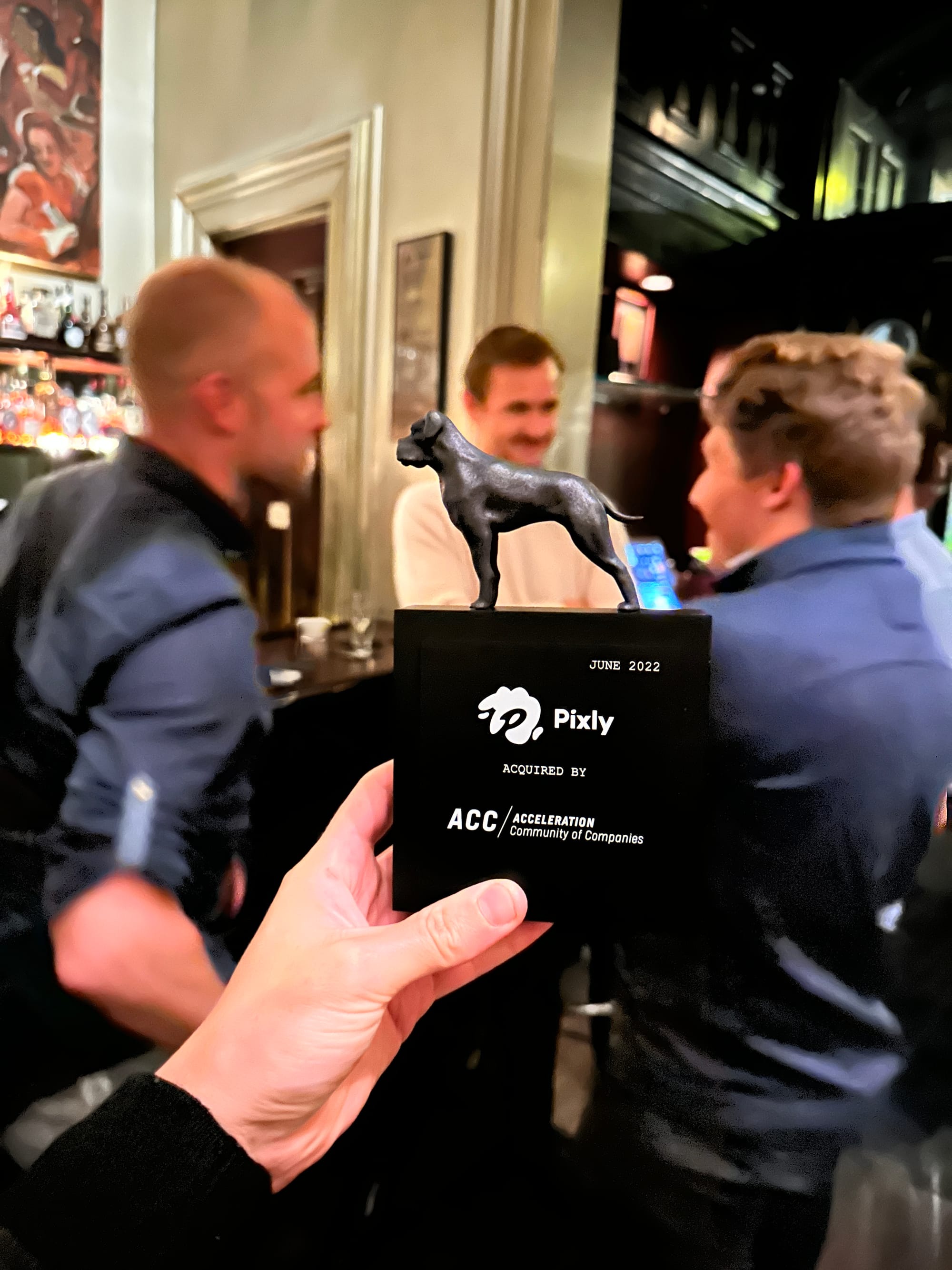
In June 2022, Pixly was acquired by Acceleration. We were drawn to ACC for their exceptional advisory team and their network of best-in-class marketing agencies, known for creating influential, culture-defining campaigns. The acquisition marked a significant milestone in our journey. I continued in my role as COO, helping steer the company through the integration phase and ensuring a smooth transition.
In 2023 the economic downturn caused marketing budgets to shrink and forced us to evolve. We launched Pixly 2.0, expanding beyond performance marketing into brand marketing. That shift made us stronger, attracting Fortune 500 brands.
By April 2025, after nearly a decade of building and leading Pixly, I decided to step back from daily operations. My focus shifted towards my family and exploring what’s next.
Building Pixly from an idea to an industry leader was an incredible journey—filled with the hardest challenges, exciting breakthroughs, and unforgettable relationships. I am so proud of what we built and the impact we made.
